
Contact
We are always eager to hear from you and
happy to assist in any way we can

Matthew (raramuridesign)
There are many variations of passages of Lorem Ipsum available, but the majority have suffered alteration in some form, by injected humour, or randomised words which don't look even slightly believable. If you are going to use a passage of Lorem Ipsum, you need to be sure.
Employee Earnings and Hours, Australia, May 2014
Analysis of results for all employees provides an opportunity to compare broad earnings and employee characteristics by classifications of interest such as sex, method of setting pay, occupation, industry and sector, with the influence of compositional factors such as the proportion of part-time or casual employees. For example, an industry with low average weekly total cash earnings may have a high proportion of part-time or casual employees relative to other industries.
Key results by category
The diagram below shows for employees in scope of the May 2014 Survey of Employee Earnings and Hours, the proportion of employees by category of employee.
In May 2014 there were 9,898,900 employees, of whom 49.5% were male and 50.5% were female. Average weekly total cash earnings was $1,182.40 for all employees, $1,429.80 for male employees and $940.20 for female employees. The average age of both male and all female employees was 39.5 years.
Full-time employees made up 60.0% of all employees, had average weekly total cash earnings of $1,568.80 and had an average age of 40.4 years. Part-time employees accounted for 40.0% of all employees, had average weekly total cash earnings of $602.80 and had an average age of 38.1 years.
Male employees were predominantly full-time (76.6% of male employees). Full-time males had average weekly total cash earnings of $1,680.70 and an average age of 40.8 years. Part-time male employees had average weekly total cash earnings of $608.00 and were, on average, younger than full-time males with an average age of 35.5 years.
NON-MANAGERIAL EMPLOYEES
Analysis of estimates for all non-managerial employees provides an opportunity to compare hours paid for and hourly earnings of permanent or fixed term employees (full-time and part-time) as well as casual employees. This aids comparison by classifications of interest such as occupation, industry and method of setting pay at a consistent unit of quantity (i.e. hours and dollars per hour). It also allows analysis of the composition of weekly earnings. For example, average weekly total cash earnings may be identical for two categories of employees, however employees in one category may be paid for fewer hours per week and receive higher average hourly earnings.
Key results by category
Non-managerial employees received average weekly total cash earnings of $1,100.40. They were paid for an average 31.2 hours per week at an average hourly total cash earnings rate of $35.30.
Permanent full-time non-managerial employees were paid for an average 39.6 hours per week at an average hourly total cash earnings rate of $37.30 and received $1,477.90 average weekly total cash earnings. These employees comprised 54.9% of all non-managerial employees.
Permanent part-time non-managerial employees comprised 21.5% of all non-managerial employees. They were paid for an average 23.0 hours per week at an average hourly total cash earnings rate of $31.90, resulting in average weekly total cash earnings of $733.30.
Casual non-managerial employees comprised 23.5% of all non-managerial employees. These employees were paid for an average 19.2 hours per week at an average hourly total cash earnings rate of $29.00 to receive average weekly total cash earnings of $555.70.
Permanent full-time males represented 33.7% of all non-managerial employees. They were paid for an average 40.5 hours per week at an hourly cash rate of $39.10 to receive average weekly total cash earnings of $1,579.80.
Permanent full-time females represented 21.2% of all non-managerial employees. These employees were paid for an average 38.3 hours per week at an hourly cash rate of $34.40 to receive $1,316.20 average weekly total cash earnings.
Occupation
For all non-managerial employees, Professionals had the highest average hourly total cash earnings ($47.60), followed by Managers($45.60). Managers were, on average, paid for more total hours per week than Professionals (37.3 hours and 32.0 hours respectively). As a result Managers received higher average weekly total cash earnings than Professionals ($1,702.10 and $1,523.50, respectively).
Sales workers had the lowest average hourly total cash earnings ($25.60) and were paid for the lowest average total hours per week (24.2 hours). As a result they also received the lowest average weekly total cash earnings ($618.20) of all occupation groups.
Labourers had the second lowest average hourly total cash earnings ($27.60) and were paid for an average 29.8 hours per week. As a result, they received higher average weekly total cash earnings ($822.50) than Community and personal services workers ($759.10), who received higher average hourly total cash earnings ($29.40) but were paid for fewer average total hours (25.8 hours).
Industry
For all non-managerial employees, those in the Mining industry had the highest average hourly total cash earnings ($56.20) and average weekly total hours paid for (42.6 hours), resulting in the highest average weekly total cash earnings ($2,394.90).
Non-managerial employees in the Accommodation and food services had the lowest average hourly total cash earnings ($23.10) and average weekly total hours paid for (22.7 hours), resulting in the lowest average weekly total cash earnings ($524.00).
Methods of setting pay
Amongst non-managerial employees, the most common method of setting pay was Collective agreement (43.5%). Employees paid byCollective agreement had the highest average hourly total cash earnings ($37.80), and were paid for an average 31.0 total hours per week. As a result these employees received average weekly total cash earnings of $1,170.90.
Employees paid by Individual arrangement accounted for 36.1% of non-managerial employees and received the highest average weekly total cash earnings of $1,240.80. They were paid for the highest average hours per week (33.8 hours) at an average hourly total cash rate of $36.70.
Employees paid by Award only had the lowest average hourly total cash earnings ($25.90), were paid for the lowest average total hours per week (27.1 hours) and received the lowest average weekly total cash earnings ($702.80). The employees accounted for 20.4% of all non-managerial employees.
For permanent full-time non-managerial employees, the most common method of setting pay was Individual arrangement (45.1%). For casual non-managerial employees, Award only (38.9%) was the most common method of setting pay.
The highest average hourly total cash earnings received by non-managerial employees were paid to permanent full-time males under aCollective agreement ($42.00). They were also paid for the highest average weekly total hours (41.1 hours), resulting in the highest average weekly total cash earnings ($1,725.20).
FULL-TIME NON-MANAGERIAL EMPLOYEES PAID AT THE ADULT RATE
Analysis of estimates for full-time non-managerial employees paid at the adult rate provides an opportunity to compare earnings and hours paid for by classifications of interest such as sex, method of setting pay, occupation, industry and sector without compositional elements such as the proportion of part-time employees, or employees paid at junior, apprentice or trainee or disability rates. For example, an industry with a large proportion of part-time employees and employees paid at the junior rate will have lower average earnings for all employees than an industry with a small proportion of part-time employees and employees paid at the junior rate.
Key results by category
In May 2014, there were 5,022,800 full-time non-managerial employees paid at the adult rate of whom 61.1% were male and 38.9% were female. The majority of these employees (95.4%) were employed on a permanent or fixed term basis. Less than one in 20 full-time non-managerial employees paid at the adult rate (4.6%) were casual.
Average weekly total cash earnings was $1,509.30 for full-time non-managerial employees paid at the adult rate ($1,625.70 for male employees and $1,326.10 for female employees). For these employees, average weekly total hours paid for was 39.7 hours (40.7 hours for males and 38.3 hours for females). Average hourly total cash earnings was $38.00 for all full-time non-managerial employees paid at the adult rate ($40.00 for male employees and $34.60 for female employees).
Occupation
Among full-time non-managerial employees paid at the adult rate, Machinery operators and drivers had the highest average weekly total hours paid for (44.3 hours). Clerical and administrative workers had the lowest average weekly total hours paid for (38.1 hours). Professionals had the highest average hourly total cash earnings ($47.60) and Sales workers had the lowest ($29.00).
Industry
Average weekly total hours paid for was highest in the Mining industry (43.3 hours) and lowest in the Education and training industry (37.7 hours) for full-time non-managerial employees paid at the adult rate. The Mining industry also had the highest average hourly total cash earnings of $56.60. Full-time non-managerial employees paid at the adult rate in the Accommodation and food services industry had the lowest average hourly total cash earnings of $25.90.
The Manufacturing industry employed the highest proportion of all full-time non-managerial employees paid at the adult rate (9.9%), followed by the Health care and social assistance industry (9.1%).
Sector
For full-time non-managerial employees paid at the adult rate, average weekly total hours paid for was higher in the private sector (40.2 hours) than in the public sector (38.3 hours). In contrast, average hourly total cash earnings was higher in the public sector ($42.30) than the private sector ($36.80).
Methods Of Setting Pay
The most common method of setting pay for full-time non-managerial employees paid at the adult rate was an Individual arrangement (45.4%). The average weekly total cash earnings for these employees was $1,512.50. On average, they were paid for a total of 39.5 hours a week at an average hourly total cash earnings rate of $38.30.
The next most common method of setting pay for full-time non-managerial employees paid at the adult rate was Collective agreement (41.8%). These employees had the highest average hourly total cash earnings ($40.40) and were paid for the most total hours per week (40.0 hours). The average weekly total cash earnings for this group of employees was $1,617.20.
The least common method of setting pay for full-time non-managerial employees paid at the adult rate was Award only (12.7%). These employees, paid for an average 39.8 weekly total hours, received the lowest average total cash earnings per week ($1,143.00) and per hour ($28.70).
DISTRIBUTION OF EARNINGS
Weekly total cash earnings, Method of setting pay
Median weekly total cash earnings for full-time non-managerial employees paid at the adult rate was $1,320.00. The lowest paid 25% of these employees received $1,011.00 or less in weekly total cash earnings. The next 50% (or inter quartile range) of full-time non-managerial employees paid at the adult rate received weekly total cash earnings between $1,011.00 and $1,774.00.
One in 10 full-time non-managerial employees paid at the adult rate received weekly total cash earnings of $838.00 or less, while one in 10 received weekly total cash earnings of $2,370.00 or more.
Median weekly total cash earnings for full-time non-managerial employees paid at the adult rate was highest for those paid by collective agreement ($1,472.00) followed by individual arrangement ($1,274.00) and award only ($1,001.00).
The inter quartile range for full-time non-managerial employees paid at the adult rate was: between $1,136.00 and $1,892.00 for those paid by collective agreement; between $1,007.00 and $1,760.00 for those paid by individual arrangement; and between $836.00 and $1,308.00 for those employees paid by award only.
Weekly total cash earnings, Occupation by Sex
For all full-time non-managerial employees paid at the adult rate, occupation groups with the highest median weekly total cash earnings were Professionals ($1,678.00) and Managers ($1,615.00). 10% of Managers received weekly total cash earnings of $2,914.00 or more, and the highest paid 30% of Professionals received $2,666.00 or more.
The occupation groups with the lowest median weekly total cash earnings for full-time non-managerial employees paid at the adult rate were Sales workers ($995.00) and Labourers ($1,045.00).
One in 10 full-time non-managerial employees paid at the adult rate who were Machinery operators and drivers received weekly total cash earnings of $2,587.00 or more. Ten percent ofTechnicians and trades workers received weekly total cash earnings of $2,570.00 or more, while one in 10 full-time non-managerial Community and personal service workers paid at the adult rate received $2,043.00 or more.
Median weekly total cash earnings for full-time non-managerial employees paid at the adult rate was higher for males ($1,412.00) than females ($1,202.00). The lowest paid 10% of males received weekly total cash earnings of $877.00 or less compared to $798.00 or less for females. The highest paid 10% of male full-time non-managerial employees paid at the adult rate received weekly total cash earnings of $2,602.00 or more compared to $1,986.00 or more for their female counterparts.
For male full-time non-managerial employees paid at the adult rate, median weekly total cash earnings was highest for Managers, ($1,826.00) and Professionals ($1,770.00). For females,Professionals had the highest median weekly total cash earnings ($1,594.00). The median weekly total cash earnings was marginally higher for female Managers ($1,176.00) than female Machinery operators and drivers ($1,147.00). Female median weekly total cash earnings was higher at the 90th percentile for Machinery operators and drivers ($2,616.00) than for Managers ($2,579.00).
Both male and female median weekly total cash earnings was lowest for Sales workers (males $1,058.00, females $894.00) and Labourers (males $1,079.00, females $924.00). The difference between median weekly total cash earnings for male and female full-time non-managerial employees paid at the adult rate was smallest for Labourers ($155.00) and Sales workers ($164.00) and greatest for Managers ($650.00).
Weekly total cash earnings, Industry
Median weekly total cash earnings for all full-time non-managerial employees paid at the adult rate was highest for those employees in the Mining industry ($2,427.00), which was $744.00 higher than for the next highest industry, Electricity, gas, water and waste services ($1,683.00). One in five full-time non-managerial employees paid at the adult rate in the Mining industry received weekly total cash earnings of $3,045.00 or more, higher than in Construction ($2,412.00) and Electricity, gas, water and waste services ($2,387.00).
In contrast, industries with the lowest median weekly total cash earnings for all full-time non-managerial employees paid at the adult rate were Retail trade ($950.00) and Accommodation and food services ($963.00).
Weekly total cash earnings, Sector
Median weekly total cash earnings was higher for full-time non-managerial employees paid at the adult rate in the public sector ($1,532.00) than the private sector ($1,247.00). Earnings for the highest paid 10% were higher in the private sector ($2,404.00) than the public sector ($2,249.00).
EMPLOYEES PAID BY AWARD ONLY
Employees paid by Award only is a population of interest to many users. Selected results for these employees have been presented below.
Key results by category
Of the 1,860,700 employees paid by Award only, 44.6% were casual, 37.0% were permanent full-time and 18.4% were permanent part-time. The average age of all employees paid by Award only was 35.7 years. The average weekly ordinary time cash earnings for these employees was $682.50.
The average weekly ordinary time cash earnings for permanent full-time employees paid by Award only was $1,012.00. The average age of these employees was 36.4 years. They were paid for an average 38.0 ordinary time hours at an average hourly ordinary time cash rate of $26.60.
Permanent part-time employees paid by Award only were, on average, 38.5 years of age, worked an average of 22.2 ordinary time hours a week at an average hourly ordinary time cash rate of $25.50. These employees received $564.70 in average weekly ordinary time cash earnings.
The average age of casual employees paid by Award only was 34.0 years. The average hourly ordinary time cash earnings rate for these employees was $24.60 and they were paid for an average 18.6 ordinary time hours. They received $457.40 in average weekly ordinary time cash earnings.
Occupation
Community and personal service workers made up the largest proportion of all employees paid by Award only, followed by Sales workers (21.2% and 20.7% respectively). Average weekly total cash earnings was $654.20 for Community and personal service workersand $470.60 for Sales Workers.
Industry
Employees in the Retail trade industry made up the largest proportion of all employees paid by Award only, followed by theAccommodation and food services industry (17.2% and 17.0% respectively). Average weekly total cash earnings was $553.70 for employees in the Retail trade industry and $519.20 for employees in the Accommodation and food services industry.
States and territories
New South Wales had the largest number of employees paid by Award only (680,300 employees). This represented 21.8% of all employees in New South Wales. These employees received average weekly total cash earnings of $857.50.
Employees paid by Award only comprised 27.3% of all employees in Tasmania, making this the state or territory with the largest proportion of employees paid by this method of setting pay. These employees received $630.10 in average weekly total cash earnings.
Employees paid by Award only in the Australian Capital Territory received the lowest average weekly total cash earnings ($550.40) and comprised 14.3% of all employees in that territory. The Northern Territory had the smallest proportion of all employees paid by Award only(13.4%) but these employees had the highest average weekly total cash earnings of all states and territories ($868.50).
SUPPLEMENTARY ANALYSIS
A number of changes were introduced in May 2014 to data items collected about employees. These included:
- The item Adult/Junior employee was modified, and further categories included. The new item 'rate of pay' has the following categories: adult rate; junior rate; apprentice or trainee rate; and disability rate;
- The actual age of the employees was collected for the first time in 2014. Prior to this, the information on age was collected only as 'under 18 years', '18 years and under 21 years' and '21 years and over'; and
- Hours paid for data were requested for all employees, including Upper level managers and Owner managers of incorporated enterprises (collectively referred to as Managerial employees). Prior to this, hours paid for data was collected only for non-managerial employees. Despite this change, hours paid for could not be provided for Managerial employees where there was no relationship between earnings and hours. As a result, estimates of hours paid for and hourly cash earnings have only been produced for employees with a link between earnings and hours.
RATE OF PAY
Rate of pay was collected in four categories: Adult; Junior; Apprentice or trainee; and Disability. The disability rate of pay category does not measure all employees with a disability, only those paid at a specified disability rate. The disability rate of pay is based on the definition in the Fair Work Commission's National Minimum Wage Order, i.e.
Special national minimum wage 2—for employees with disability who are unable to perform the range of duties to the competence level required of an employee within the class of work for which the employee is engaged because of the effects of disability on their productive capacity, and who meet the impairment criteria for receipt of a Disability Support Pension (and who is not a junior employee, or an apprentice, or an employee to whom a training arrangement applies): a base rate of pay set in accordance with Schedule A to the National Minimum Wage Order.
The proportion of employees by rate of pay were Adult 93.2%; Junior 4.8%; Apprentice or trainee 1.9%; and Disability 0.1%. Where possible dis-aggregated data have been produced in this release for each rate of pay. In some instances it has been necessary to collapse the Apprentice or trainee and Disability rate of pay. The table below presents average weekly total cash earnings, average age and the number of employees by rate of pay for all employees. Compositional factors, such as the proportion of full-time or part-time employees as well as permanent, fixed term or casual employees, impact the average weekly total cash earnings for a category.
AGE
Employee age is presented as either averages or in categories throughout the publication. Age categories have been collapsed as necessary and as a result may not be consistent across all tables. The graph below presents an overview of the distribution of the age of all employees.
EMPLOYEES PAID AT THE ADULT RATE OF PAY COMPARED TO ADULT EMPLOYEES
In prior cycles of the Survey of Employee Earnings and Hours, separate data were produced for Adult and Junior employees. Adult employees were defined as employees who are 21 years of age or over, and employees under 21 years old who are paid at the full adult rate for their occupation. Adult employees included employees aged 21 years of age or over on Apprentice or trainee and Disability rates of pay.
In comparison, the category Employees paid at the adult rate of pay only includes those employees paid the full adult rate of pay, regardless of age. All other rates of pay are excluded.
Results throughout this May 2014 release have been produced on the new conceptual basis, i.e. Full-time non-managerial employees paid at the adult rate of pay has been used instead of Full-time non-managerial adult employees. Synthesised estimates of Full-time non-managerial adult employees have been produced and are presented in the table below for comparative purposes only.
HOURS PAID FOR, MANAGERIAL EMPLOYEES
In May 2014, hours paid for data were requested for all employees, including Upper level managers and Owner managers of incorporated enterprises (referred to as Managerial employees). Data could not be provided for managerial employees where there was no relationship between earnings and hours. The table below shows estimates of hours paid for and hourly cash earnings for employees with a link between earnings and hours.
Source: http://www.abs.gov.au/
Migration, Australia, 2013-14
ABOUT THIS PUBLICATION
This release brings together statistics on international migration into and out of Australia, internal migration within Australia between states and territories and information on overseas-born residents of Australia.
STATUS OF DATA WITHIN THIS PUBLICATION
The status of estimated resident population (ERP) by country of birth, and the components of population change (natural increase, net interstate migration (NIM) and net overseas migration (NOM)), are referred to as either preliminary, revised or final. For further information see paragraph 9 of the Explanatory Notes.
DATA NOTES
In this release, figures have sometimes been rounded. Rounded figures and unrounded figures should not be assumed to be accurate to the last digit shown. Where figures have been rounded, discrepancies may occur between the sums of component items and totals. Analysis featured in this release is based on unrounded data. Calculations based on rounded data may differ to those published.
REBUILD OF THE OVERSEAS ARRIVALS AND DEPARTURES SYSTEM (ROADS)
The ABS undertook a rebuild of the Overseas Arrivals and Departures (OAD) system in 2013. The primary aim was to improve the quality of OAD data, given its importance as input to a broad range of estimates, including the estimation of Net Overseas Migration and the Estimated Resident Population by country of birth, which are both featured within this release. Detailed information in the changes and improvements arising from the rebuild of the OAD system appears in the Data Quality Issues (Appendix) in the Explanatory Notes section ofOverseas Arrivals and Departures (cat. no. 3401.0).
UPDATE OF COUNTRY CLASSIFICATION
The country classification used within this release is based on the latest version of the Standard Australian Classification of Countries (SACC), 2011, Version 2.3. For more information and codes see the Country Classification spreadsheet in the 'Downloads' tab of this release online.
INQUIRIES
For further information about these and related statistics, contact the National Information and Referral Service on 1300 135 070.
AUSTRALIA'S POPULATION BY COUNTRY OF BIRTH
The cultural and linguistic diversity of Australia's resident population has been reshaped over many years by migration. Historically, more people immigrate to, than emigrate from, Australia. At 30 June 2014, 28.1% of the estimated resident population (ERP) was born overseas (6.6 million people). This was an increase from 30 June 2013, when 27.7% of the population was born overseas (6.4 million people). In 2004, ten years earlier, 23.8% of the population was born overseas (4.8 million people).
Persons born in the United Kingdom continued to be the largest group of overseas-born residents, accounting for 5.2% of Australia's total population at 30 June 2014. This was followed by persons born in New Zealand (2.6%), China (1.9%), India (1.7%) and the Philippines and Vietnam (each 1.0%).
Over the last 10 years, the proportion of the Australian population who were born in the United Kingdom decreased from 5.6% in 2004 to 5.2% in 2014. Conversely, the proportions increased for people born in New Zealand (from 2.1% to 2.6%), China (from 1.0% to 1.9%) and India (from 0.7% to 1.7%).
In terms of Australia's population growth, for the top 50 countries of birth (excluding Australia) at 30 June 2014, persons born in Nepal had the highest rate of increase between 2004 and 2014 with an average annual growth rate of 27.0%. However, this growth began from a small base of 3,400 persons at 30 June 2004. The second fastest increase over this period was in the number of persons born in Brazil (12.6% per year on average), followed by those born in Pakistan (12.5%), India (11.6%) and Bangladesh (10.4%). Of the top 50 countries of birth, the number of persons born in Serbia decreased the most, with an average annual decrease of 2.3%, followed by persons born in Poland (1.2%).
STATE AND TERRITORY COMPOSITION OF COUNTRY OF BIRTH
Australia's estimated resident population (ERP) by country of birth at the state and territory level is only available for Census years, with the latest being 2011. Table 1.3 shows the composition by country of birth for each state and territory, for the top 15 countries ranked at the national level.
Western Australia recorded the highest proportion of overseas-born residents in their population at 33.4% (786,500 persons), and also the largest increase in the proportion of overseas-born residents, up from 29.9% in 2006. Victoria recorded the second highest proportion with 28.7% of its residents born overseas (1,589,800 persons), up from 26.3% in 2006. Tasmania (12.6% or 64,200 persons) and the Northern Territory (18.8% or 43,600 persons) had the lowest proportion of overseas-born, both well below the Australian level of 26.9% recorded in 2011 (6,018,200 persons).
In 2011, Western Australia had the highest proportion of people born in the United Kingdom (10.9%), more than double the Australian proportion of 5.4%. The highest proportion of New Zealand-born residents was in Queensland (4.8%).
In Victoria, there were higher proportions of residents born in India (2.3%), Italy (1.5%), Vietnam (1.4%), Greece (1.1%) and Sri Lanka (0.9%) than any other state or territory. New South Wales had the highest proportion of people born in China (2.6%) and Lebanon (0.9%). The Northern Territory had the highest proportion of people born in the Philippines (1.9%), while Western Australia recorded the highest proportion of people born in South Africa (1.7%) and Malaysia (1.2%). The proportion of residents born in Germany, the Netherlands and the United States of America were fairly evenly spread across all states and territories.
ET OVERSEAS MIGRATION
Net overseas migration (NOM) is the net gain or loss of population through immigration to Australia and emigration from Australia. Data provided by the Department of Immigration and Border Protection (DIBP) is used by the Australian Bureau of Statistics (ABS) to calculate the official NOM estimates each quarter.
In 2013-14, NOM decreased from the previous year, recording an annual estimate of 212,700 persons, which was 9.7% (23,000 persons) less than in 2012-13. NOM in 2012-13 was 235,700 persons, which was 2.7% (6,200 persons) more than in 2011-12 and 30.6% (55,300 persons) more than the dip experienced in 2010-11 when NOM added 180,400 persons to Australia for the year.
In 2013-14, NOM contributed the greatest number of people to the most populous states: New South Wales with a net increase of 73,300 persons, followed by Victoria (59,400 persons), Western Australia (32,300 persons) and Queensland (30.300 persons). Tasmania had the lowest net increase with 1,300 persons (see Table 2.2). For the most up-to-date official estimates of NOM by state and territory produced by the ABS, see Australian Demographic Statistics (cat. no. 3101.0). For the most up-to-date forecasts of NOM produced by DIBP, see The Outlook for Net Overseas Migration: September 2014 at: http://www.immi.gov.au/media/publications/statistics/
An individual's actual travel behaviour and associated characteristics, including visa type, are only available from final NOM data, as these can only be accurately determined at the end of the 16 month reference period following a traveller's initial border crossing.
The DIBP manages and grants visas each year in accordance with relevant legislation, government planning and policy. It is important to note that there is a difference between when and how many visas are granted by DIBP; and when and how they may impact on NOM, and therefore Australia's estimated resident population (ERP). For example, for many visas there can be a lag between a visa being granted and the actual use of that visa by the applicant on entering Australia. Also, some travellers who have been granted permanent or long-term temporary visas may end up staying in Australia for a short period of stay or not at all. In addition, travellers may also apply for, and be granted, a different visa whilst in Australia or overseas. However, without an additional border crossing within the reference quarter to capture a traveller's change of visa, the NOM system is unable to show these occurrences.
Table 2.3 shows a breakdown of the types of visa groups which have contributed to final NOM. It shows that temporary visa holders are still the main contributors to NOM in the 2012 calendar year.
NET INTERSTATE MIGRATION
Net interstate migration (NIM) is the net gain or loss of population through the movement of people from one state or territory of usual residence to another. It is an important component required to calculate Australia's estimated resident population at the state and territory level, see Australian Demographic Statistics (cat. no. 3101.0). During 2013-14, it was estimated that 349,000 people moved interstate, an increase of 2.5% from the number of people who moved during the previous year. In 2012-13 there were 340,600 people who moved interstate, a decrease of 3.5% from the number of people who moved in 2011-12 (352,900 persons).
Net interstate migration can be a source of population gain or loss for a state or territory. In the year ended 30 June 2014, it was a source of population loss for New South Wales, the Northern Territory, South Australia, the Australian Capital Territory and Tasmania, with net losses of 6,900 persons, 3.300 persons, 3,000 persons, 1,200 persons and 1,200 persons respectively. Those states and territories where NIM contributed positively to population growth were Victoria (8,800 persons), Queensland (5,800 persons) and Western Australia (1,000 persons).
Over the decade ending June 2014, Western Australia and Queensland have consistently recorded annual NIM gains from the rest of the country. The gain in NIM in Western Australia has gradually increased from 2,200 persons in 2004-05 to peak at 11,400 persons in 2011-12 before decreasing to 1,000 persons in 2013-14. In contrast, the gain in NIM in Queensland has gradually declined over the last 10 years, from 30,400 persons in 2004-05 to 5,800 persons in 2013-14, also with an increase in 2011-12 (11,100 persons).
In contrast, New South Wales and South Australia have both recorded annual NIM losses each year for the past decade. New South Wales has continually recorded the largest annual losses, with losses ranging between 26,300 persons in 2004-05 and 6,900 persons in 2013-14, with an annual average net loss of 18,000 persons. South Australia recorded an annual average net loss of 3,300 persons, with losses ranging between 4,400 persons in 2008-09 and 2,400 persons in 2011-12.
Over the past decade, Victoria recorded annual NIM losses in the four years from 2004-05 to 2007-08 and then annual NIM gains in the six years from 2008-09 to 2013-14, resulting in an annual average net gain of 1,600 persons. In 2013-14, Victoria recorded its largest NIM gain in the last ten years with 8,800 persons.
NIM in the remaining State and Territories has fluctuated throughout the past decade resulting in annual average net losses in the Northern Territory and Tasmania (640 persons and 370 persons respectively) and an annual average net gain in the Australian Capital Territory (250 persons).
Source: http://www.abs.gov.au/
Labour force commentary December 2014
NATIONAL ESTIMATES
Australia's unemployment rate decreased 0.1 percentage points to 6.1% in December 2014 (seasonally adjusted). The number of unemployed persons decreased by 16,200 to 759,200 in December 2014 (seasonally adjusted).In trend terms the unemployment rate was unchanged at 6.2% in December 2014. The number of employed persons in December 2014 increased by 14,400 to 11,646,800 and the number of unemployed persons increased by 700 to 770,900 in trend terms. The trend participation rate remained at 64.7% in December 2014. December 2014 saw the seasonally adjusted participation rate increase less than 0.1 percentage points to 64.8%. The seasonally adjusted number of employed persons increased by 37,400 in December 2014 to 11,679,400. The employment to population ratio, which expresses the number of employed persons as a percentage of the civilian population aged 15 years and over, increased 0.1 percentage points to 60.8% (seasonally adjusted). In trend terms, the employment to population ratio was unchanged at 60.7%.
Seasonally adjusted full-time employment increased by 41,600 persons to 8,105,300 persons while part-time employment decreased by 4,100 to 3,574,100 persons in December 2014. The increase in total employment resulted from:
- an increase in female full-time employment, up 23,300 persons
- an increase in male full-time employment, up 18,200 persons
- an increase in female part-time employment, up 6,700 persons
- a decrease in male part-time employment, down 10,800 persons.
Seasonally adjusted aggregate monthly hours worked decreased 7.7 million hours (0.5%) in December 2014 to 1,597.8 million hours.
STATE ESTIMATES
The largest absolute increases in seasonally adjusted employment were in Victoria (up 30,800 persons) and Queensland (up 22,500 persons). The largest absolute decrease in seasonally adjusted employment was in Western Australia, down 7,000 persons.
The largest increase in the seasonally adjusted participation rate was in Victoria (up 0.4 percentage points), while the largest decreases were in Tasmania (down 0.6 percentage points) and South Australia (down 0.4 percentage points).
The largest increase in the seasonally adjusted unemployment rate was in Western Australia (up 0.7 percentage points). The largest decreases in the seasonally adjusted unemployment rate were in Queensland (down 0.7 percentage points) and Victoria (down 0.3 percentage points). The ABS recommends using trend estimates to analyse the underlying behaviour of the series.
Seasonally adjusted estimates are not published for the territories.
|
Unemployment rate, States and Territories, November 2014 and December 2014
|
||||
|
Trend
|
Seasonally Adjusted
|
|||
|
November
|
December
|
November
|
December
|
|
|
%
|
%
|
%
|
%
|
|
| New South Wales |
5.9
|
5.9
|
6.0
|
5.9
|
| Victoria |
6.7
|
6.7
|
6.8
|
6.5
|
| Queensland |
6.6
|
6.6
|
6.8
|
6.1
|
| South Australia |
6.5
|
6.5
|
6.6
|
6.5
|
| Western Australia |
5.4
|
5.6
|
5.3
|
6.0
|
| Tasmania |
6.9
|
6.8
|
6.9
|
6.7
|
| Northern Territory |
3.8
|
3.6
|
np
|
np
|
| Australian Capital Territory |
4.9
|
4.9
|
np
|
np
|
| Australia |
6.2
|
6.2
|
6.2
|
6.1
|
| np not available for publication but included in totals where applicable, unless otherwise indicated | ||||
AGGREGATE MONTHLY HOURS WORKED
Through a process of ongoing quality assurance, the seasonal adjustment of the Aggregate monthly hours worked series has been refined to provide more reliable seasonally adjusted and trend data over the entire series. Two specific refinements were made to take account of the Labour Force supplementary survey program, and the timing of Easter in 2014.
These two refinements have resulted in revisions to the seasonally adjusted and trend Aggregate monthly hours worked series with the largest revisions occurring in April 2013, April 2014 and September 2014. Revisions to earlier periods back to the start of the series in February 1978 were generally minimal.
AGGREGATE MONTHLY HOURS WORKEDThrough a process of ongoing quality assurance, the seasonal adjustment of the Aggregate monthly hours worked series has been refined to provide more reliable seasonally adjusted and trend data over the entire series. Two specific refinements were made to take account of:
- the Labour Force supplementary survey program, and
- the timing of Easter in 2014.
Since the October 2014 issue of this publication, all other labour force seasonally adjusted series have included adjustments to account for effects of the supplementary survey program. When the Aggregate monthly hours worked series was initially assessed no significant supplementary survey effect was identified. However, with the incorporation of additional observations and further assessment, the Persons not in the labour force supplementary survey (previously conducted each September) has been identified as having a statistically significant effect on the Aggregate monthly hours worked series. An adjustment has been applied to remove this effect from the seasonally adjusted series.
In 2014 Easter fell unusually late in April (Easter Sunday was on 20 April) and ANZAC Day fell the following Friday (25 April). This combined with school holidays had two impacts on the Labour Force Survey. First, obtaining responses was more difficult as householders were absent due to the long weekends and holidays and the ABS extended enumeration by one day to ensure that an acceptable response rate was achieved. Second, the actual hours worked in the reference week reported for employed persons may have been less than normal due to these holidays. While the derivation of the Aggregate monthly hours worked series takes account of public holidays and school holidays, further analysis confirmed that these adjustments did not sufficiently take account of the unusually late Easter in 2014 and its proximity to ANZAC Day. An adjustment has been included in the seasonally adjusted Aggregate monthly hours worked series to account for this effect.
These two refinements have resulted in revisions to the seasonally adjusted and trend Aggregate monthly hours worked series with the largest revisions occurring in April 2013, April 2014 and September 2014. Revisions to earlier periods back to the start of the series in February 1978 were generally minimal.
The incorporation of these refinements to the seasonal adjustment of the Aggregate monthly hours worked series has no implications for other labour force seasonally adjusted series as these already include adjustments for effects of the supplementary survey program and the timing of Easter. However, as previously advised, other seasonally adjusted series will not have the adjustments for the supplementary survey effects applied to periods prior to December 2013 until the next annual seasonal reanalysis is undertaken in March 2015.
The Labour Force Aggregate monthly hours worked series are presented in the quarterly Australian National Accounts: National income, Expenditure and Product (cat. no. 5206.0) and used in deriving several productivity measures including GDP per hour worked and Gross value added per hour worked market sector. As a result of the refinements made to the Aggregate monthly hours worked series, relevant Key national accounts aggregates in publication tables 1 (trend) and 2 (seasonally adjusted) and spreadsheet table 1 from the September quarter 2014 Australian National Accounts: National income, Expenditure and Product have been updated and are available from the Download tab of this publication.
Source: http://www.abs.gov.au/
Important Notice for Proposed Changes to Australia’s Business Migration Programme
In the leadup to next years’ Federal Government election in Australia, the debate has restarted about the size and shape of Australia’s migration program and future population.
The Home Affairs Minister, Peter Dutton, has said the Government already had and would continue to reduce migrant numbers where he believes it is in the national interest, citing traffic gridlock, unaffordable housing in cities and pressure on infrastructure.
The call to cut migration numbers is also coming from the opposition party which is calling for a significant reduction in the numbers going forward.
Minister Dutton has also stated that he is looking at reducing Business Migration numbers to Australia in line with an overall reduction in migration numbers.
Dutton’s Department has already presented him with proposed changes to the Business Program details of which are expected to be released at any time, but possibly in November.
It is expected that the requirements will be tightened so as to reduce business migration numbers.
Join us on 25 August 2018 at 10.00am to find about more about these proposed changes and to discuss in more detail.
Booking Is Essential – Please Call 011 783 9440 To Avoid Disappointment.
To check the existing Business Migration requirements click here.
Article Title: Important Notice for Skilled Occupation List and State Migration Occupation List
Upcoming seminars for business owners and investors interested in investing into Australia
It is important to note that the Skilled Occupation List and State Migration Occupation Lists change on fairly regular basis.
Don’t miss your opportunity to migrate to Australia, apply while your occupation is on one of the lists.
Migration Checklist
The following checklist is a helpful guide to all the things that need to be done once you have made your decision to take up your permanent residency in Australia. The checklist is taken from Sabona magazine , which is a great magazine for South Africans in Australia - it is full of useful and informative information.
Sabona also gives credit to the compilation of the list to saaustralia.org , a forum where South Africans going through the immigration process, and those who have already relocated, can get advice and share information.
The moving house process
| Make the decision whether to sell your house or to rent it out and finish paying off your bond, then to sell. (As it not a seller’s market at the moment, it might mean that it is better to rent and pay off the bond with the wonderful A$7.75 to R1 exchange rate.) | |
| Make the decision whether to ship all your belongings across or to sell up and buy everything new once there. A 20ft insured container will cost in the region of R50-R65000 and a 40ft will cost R75-100000). If you sold all your belongs for say R30000, could you replace everything for between R75-R100000?) | |
| Get three or four removal companies in to give you quotes. Choose which one you will use. | |
| Start throwing away things that you had horded for years. Keep only what is going in the container. This takes longer than you think so start early. Work room by room. | |
| Make an inventory of everything in your house (with values) that’s going with you to Aus. (You should even take photographs of the contents of each room before they start packing - open your cupboard doors and photograph your clothes, CDs, DVDs etc). Take this with you on the plane. | |
| Do some research on DAFF website http://www.daff.gov.au/aqis/travel/enterin...ving-emigrating as to what you can and can’t take. | |
| List the serial numbers of all valuable items in your house (TV, PC etc). Take it with you on the plane. | |
| Clean perfectly all items like garden equipment, vacuum cleaner, camping and fishing equipment. If done by a professional then tape the cleaning invoice to the item. | |
| Beds in Australia are extremely expensive as is linen. All Australian King and Queen size beds are extra length (203cm) - that means if you buy a new bed in Australia, your old linen (fitted sheets) will be too short. Consider replacing your linen with extra length before you leave. | |
| Make sure your passport is not in the container! | |
| Keep the keys for everything that is locked inside your container with you - customs will request it. |
The pet decision
| Make the decision whether to take your pets with you or not. | |
| Contact both Keringa and Kookaburra for quotes | |
| Visit them both (if possible one is in JHB and the other in Pretoria) | |
| Get certified copies of your pets’ vaccination records | |
| Select one and book them a place | |
| Ensure your pets are micro chipped | |
| Ensure all their vaccinations are up to date. | |
| Ensure their rabies vaccination is valid. All pets must have had at least two Rabies vaccinations, one of which must have been done not more than 6 months, but not less than 1 month, before entering quarantine. (Extremely NB: ensure that if they need a rabies’ shot that the vet does not use one containing Leptospira interrrogans. var. canicola. This affects the blood tests during quarantine | |
| If your pet is ten years and older, then have a geriatric profile done by your vet. It is advised to get full blood counts, liver and kidney enzymes and urine analysis. Your vet may require chest and hip x-rays. If they fail this profile, you will not be allowed export them. |
The "shutting up shop" process
| Change postal address of all accounts to a reliable friend or family member two months before you go (so you can see which companies did not make the change, and you have enough time to sort it out before you go. Things like telephone account, DSTV & MNET, City Council, Security company, insurance (both short term and life), Bank (all accounts - some bank’s you have to change it for each account!), Medical Aids, Shopping Cards, Memberships, Doctors, Specialists etc.) | |
| Set up a free email account like gmail and start using it two months before you leave. Then you can see who is still emailing your old email address. Put an auto-forward on your old email address directing all mail to your new address. Remember when you cancel your ISP you will lose your email address. | |
| Start obeying the South African speed limit and road rules. It takes time to get used to watching that speedometer and the cars behind you edging you to go faster. Australia works on the Driver’s license point system. Too many speeding fines will see you losing your driver’s license. Learn how a traffic circle is supposed to be used. The Australians know how to use one, South Africans do not. | |
| Get a reference letter and client code from your bank. Get your bank branch’s SWIFT code. | |
| Sign a fax indemnity with your bank. This allows you to give faxed instructions for transactions etc. | |
| If you don’t already have internet banking, get it set up and test it. | |
| Get a reference letter from your short term insurance detailing your no claim bonus etc. | |
| Cancel Telephone account (Do this in writing and keep proof - applies to all cancellations) | |
| Cancel cell phone contracts (all three VC, MTN, Cell C contracts may require 3 months notice). | |
| Cancel ISP | |
| Cancel DSTV / MNET | |
| Cancel Security Company | |
| Cancel SABC license (good luck with this) You will need to provide them with clear documentary proof that you no longer live in RSA - copy of airline tickets plus copy of visa plus copy of passport with stamps clearly showing exit and re-entry dates plus a letter from employer confirming appointment and indicating date when employment begins. | |
| Make the decision whether or not you will continue paying your policies (Life Insurance, Annuities etc) from Australia. Speak to your broker about the effects of early cancellation. | |
| Cancel your medical aid (read the fine print - they may require 3 months notice) | |
| Close your store accounts. | |
| Cancel all membership debit orders etc that won’t continue. | |
| Get all you kids’ immunizations up to date and have it recorded on their immunization cards. (To attend school in Australia it has to be up to date). | |
| Get a letter of membership and involvement from your church. Advise them that you are leaving. | |
| Get a reference letter for your family if you were involved in volunteer work. Volunteering is big in Australia and if you were involved in volunteering, it goes a long way - also, when you want to get involved again in Australia, you will need references. | |
| Back-up everything on your computer (photos, documents, inbox, sent items etc) and take the CD’s with you on the plane. Even better, remove the hard drive and insert into a movable hard drive protective case. If you ship the hard-drive you pay for the replacement value of the software on it. | |
| Make certified copies of ALL important documents (passports, visas, ID books, birth certificates etc) and leave it with a reliable friend or family member. Even better yet, have it scanned and leave a copy of the disk - take the other one on the plane with you. | |
| Update your will and leave a copy with a reliable friend/family member. | |
| Give a reliable person power of attorney to attend to your business on your behalf. Make sure they have details of all your bank accounts, policy numbers, contact persons etc. As well as copies of all important documents. Please remember that the banks do not honour a general POA. Check with your branch what they require. You might have to ‘register’ the POA prior to your leaving the country with them. | |
| Get transfer cards from your kids’ schools and their latest report cards or a progress report. | |
| Get reference letters from your kids’ activities e.g. ballet report, etc - this will assist in placing them in the right group when they take it up here. If your child performed in anything, get proof. You WILL need it! | |
| Take the whole family for a medical check-up, have their eyes tested, go to the dentist, get that filling etc. Dental and optometry is very expensive. | |
| Get the contents of your medical files from all your doctors and specialists. Saves you from going through the whole process again - they don’t take your word for it! If you have a special condition, let the doctor write a letter. If you have contacts or glasses, get your script. | |
| Get scripts for all medication your family is currently using - especially chronic. You can bring 3 month’s prescription medication if you have a written script. Take it on the plane with you in case your container is delayed etc. (Also bring some general medication that your family uses regularly if it is anything stronger than panado or if it is something specific such as anetheine cream, myprodol, etc). | |
| Apply for an international driver’s license. (This point is debatable as your current SA license is sufficient - well, for three months anyway). | |
| Leave your flight details, first accommodation details etc with a family member/friend. Also leave the details of your next of kin with this person. Write this person’s contact details in the back of your passport. | |
| Research the different Australian Superannuation funds. You will need to transfer your pension into this fund and will have to leave signed instructions with your funds in RSA. If you have cash surplus to your immediate needs consider putting them into superannuation. This is an allocated pension. Either you can run a self managed superannuation fund, or else elect to use one of the big funds. All income within the fund is tax free and all drawings are also tax free if you are of pensionable age. | |
| One of the first things you will need once you land in Aus is to get set up with telephone and internet. Do your research on the different packages and options available in Australia before you come. It is worth shopping around. If your home phone, your broadband and your mobile are with the same service provider, you get the best deal. What you want to be able to do is to walk into the dealer on day one of arrival and buy the right SIM card without having first to do your research here. Look at their international calling costs. | |
| Service your washing machine and dryer if it hasn’t had one in the last 12 months (just a call out by a technician for a quote is A$75). | |
| Pay your UIF and de-register. Give your employees their UIF documents as well as a letter that they no longer work for you. (UIF does not only accept the UIF document - they also require a letter that they no longer work for you). Keep proof of all of this. Give your employees reference letters and assist them in finding work elsewhere. (Advertise with you school, church, neighbours etc that they will be available from a specific date etc). Pay them their last salary, notice pay, leave and pro rata bonuses. Keep proof. | |
| Go to the AA travel shop and buy some SA to Auz/NZ plug adapters. Pop them in your hand luggage! Then buy some ‘multi-plugs’. The kind with 4 or 5 plugs on a cord. Then when you get to Australia replace the main plug with your Aussie plug - you can then use your old SA plugs in the multi-plug. Do not forget your RSA two-pin adapters for things like cell-phone adapters. | |
| If you haven’t yet sold your house, but are planning to do so, get an electricity certificate before you leave. Give it to your agent or the person who will be handling the sale of your property. Keep a copy. | |
| Inform your tax consultant that you are leaving. He will still have to complete a tax return for you for the current tax year. Then he may need to deregister you as a tax payer at some point and arrange a tax clearance certificate. In which case you might need to sign papers before you leave. | |
| Help the older members of family set up Skype before you leave. Buy them a microphone and webcam for their computer as a gift. Install it for them. | |
| Take photographs of everyone and everything, your friends, family, the neighbours, your pets, the kid’s friends (give your digital to your kids to take to school for a day). Take photographs of your house, neighbourhood, church, school, street.... This is all you will have of your life in South Africa. It may not seem important now, but when your kid’s or grandchildren one day, want to know what life was like, you’ll have more than enough visual memories to share. | |
| Have a farewell party at least 3 weeks before you leave. Less tears & emotion than having the goodbye’s at the airport!! | |
| Sell your cars. | |
| Arrange your transport to the airport and fly to your new life. |
Useful links
We are providing links to useful websites below, but please note that we cannot be responsible for the content or nature of the information you obtain from outside sources.
You will find links with migration information from the Department of Immigration and Citizenship, as well as State Governments regarding sponsorship procedures; information on Australia's main cities and States; health;social security; education; employment; news; real estate; and taxation.
If you find any links that are broken, please let us know and we will restore them asap.
Migration Information
- The Department of Immigration and Citizenship
- The Migration Agents Registration Authority
- Government of South Australia
- Tasmania Department of Economic Development and Tourism
- State Government Victoria
- Government of Western Australia State Migration Centre
- New South Wales Department of State and Regional Development
- Queensland Department of Employment, Economic Development and Innovation
- Northern Territory Government
- ACT Business and Industry Development
Australia's main cities and State's
- Adelaide - South Australia
- Hobart - Tasmania
- Melbourne - Victoria
- Perth - Western Australia
- Brisbane - Queensland
- Canberra - Australian Capital Territory
- Darwin - Northern Territory
- Sydney - New South Wales
Health
Social Security Benefits
Education
- Department of Education, Employment and Workplace Relations
- Queensland Department of Education and Training
- NSW Department of Education and Training
- South Australia Department of Education and Children's Services
- Tasmania Department of Education
- Victoria Department of Education and Early Childhood Development
- Western Australia Department of Education Services
- Going to Uni (Government website for Universities)
- TAFE Queensland
- TAFE New South Wales
- TAFE South Australia
- TAFE Tasmania
- TAFE Victoria
- TAFE Western Australia
Employment
- Job Search - Australian Government jobs
- Employment and work place relations
- Job Search - online
- Career One
- Seek
- My Career
- Careers Online
News
- The Sydney Morning Herald
- The Australian (national newspaper)
- News.com.au
- The West Australian
- The Courier Mail (Queensland)
- The Northern Territory News
- Adelaide Now
Real Estate
- The Real Estate Institute of Australia
- RealEstate.com.au
- property.com.au
- domain.com.au
- Foreign Investment Review Board
Taxation
home 3 blocks
[row id="ROW_ID" class="ROW_CLASS"] [col class="span4"]
Our Services

At Australian Migration Specialists we believe in a personal approach. It is for this reason that we offer one-on-one consultations for eligible migrants. We understand that each application is unique and individual and that clients have their own requirements and needs. These needs can often only be addressed in a personal setting. To book an appointment complete the assessment form or send your CV to us on info@australianmigration.co.za. If you are eligible for a visa we will contact you to arrange a personal consultation. read more...
[/col] [col class="span4"]
Visa Information

As a born and bred Australian who has lived in South Africa for the last 14 years, Garry Loseby (our Australian Registered Migration Agent) is in a unique position to provide information on all aspects of migration and life in Australia including assisting South African business people to identify business opportunities in Australia . We have successfully assisted over 2,000 South Africans migrate to Australia. We pride ourselves on the personalised attention we afford all our clients and continually strive to ensure that our clients have the most up to date information on migration issues. read more...
[/col] [col class="span4"]
An Overview of Australia

Australia is a stable, culturally diverse and democratic society with one of the strongest performing economies in the world. With an estimated population of more than 22.5 million, Australia is the only nation to govern an entire continent. It is the earth's biggest island and sixth-largest country in the world in land area, about the size of mainland United States and one and a half times the size of Europe. read more...
[/col] [/row]
Submit your Application Assessment

We are fully conversant with all forms of Australian Migration and are able to assist you with Business Innovation and Investment visas, General Skilled Migration visas, Family visas, and Employer related visas.
For a free assessment of your chances of obtaining a General Skilled Migration Visa please complete our assessment form and we will contact you with a full proposal as soon as possible.
Likewise, if you are interested in migrating to Australia as a business person, complete our business assessment form and we will advise you as to your options.
Proceed to the online forms
All About Australia
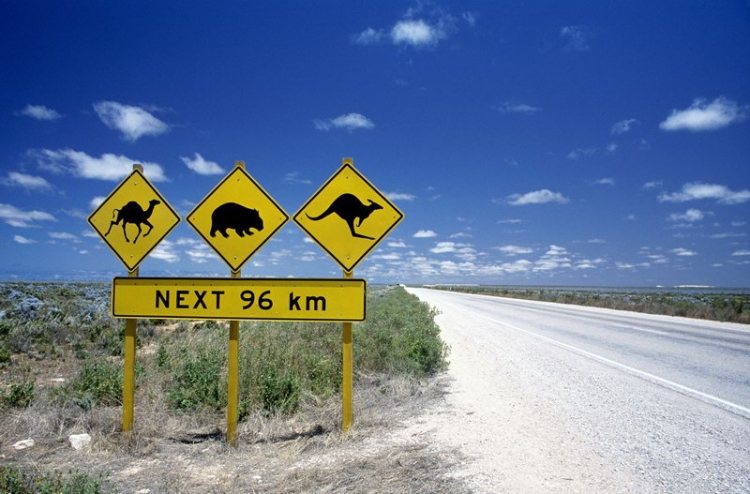
View the links below to find out more...
Australia is a stable, culturally diverse and democratic society with one of the strongest performing economies in the world. With an estimated population of more than 22.5 million, Australia is the only nation to govern an entire continent. It is the earth's biggest island and sixth-largest country in the world in land area, about the size of mainland United States and one and a half times the size of Europe. Source dfat.gov.au
Parent Visas
As the parent of an Australian citizen, permanent resident or eligible New Zealand citizen you may be eligible for a parent visa.
You must meet the “balance of family” test which means that at least 50% of your children must be Australian permanent residents or citizens and your sponsor should have lived in Australia for at least 2 years before lodging the sponsorship. Your sponsor should also be over the age of 18 years.
This particular programme includes categories for parent visas and contributory parent visas. Because the number of parent visas available each program year are severely restricted, the processing time on these visas can run into many, many years.
The Contributory Parent category was introduced in mid-2003 to allow the expansion of the Parent Migration program on the basis that applicants pay a higher visa application charge and a larger Assurance of Support (AoS) bond (with a longer AoS period). This visa category has recently been capped, but with more spaces available processing times on this visa category are not as long as those for the parent visa.
Once you have been granted a permanent residency visa you will be entitled to work and study in Australia, and to receive subsidised healthcare through Medicare. Subject to waiting periods you will also be able to access other social security payments and sponsor other family members. After living in Australia for 4 years you would be entitled to obtain Australian citizenship.
Contact
Office Johannesburg: +27 11 783 9440
Mobile - Tracey: +27 82 419 3696
Email: visas@australianmigration.co.za
Our Location
 Johannesburg
The Business Exchange
4th Floor, 96 Rivonia Road
Sandton
2057
 Brisbane
301/7 Sheehan Street
Milton, Brisbane
Queensland, 4064
Apply Now
So that we may assess your eligibility for a Business Innovation and Investment Visa, please complete the following Assessment Form.
So that we may assess your eligibility for a General Skilled Migration, please complete the following Assessment Form.


Speak to our Consultants
Michelle Oztas: +27 11 783 9440
Tracey Lawrence: +27 82 419 3696
Registered Migration Agent No. 9803463
Contact Details
Tel: +27 11 783 9440
Australian Mobile: +61 404 371 683
The Business Exchange
4th Floor, 96 Rivonia Road
Sandton
South Africa,
2057